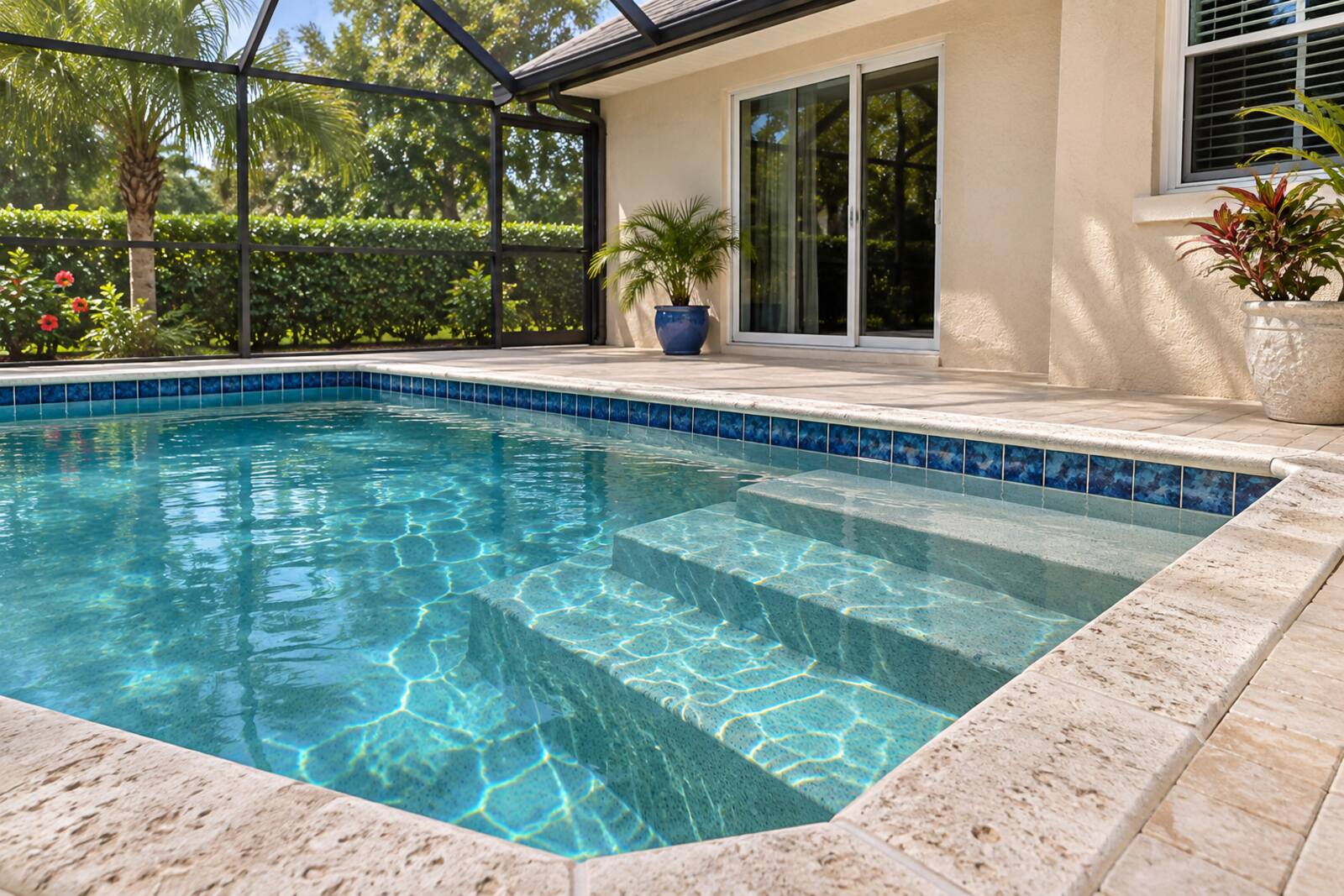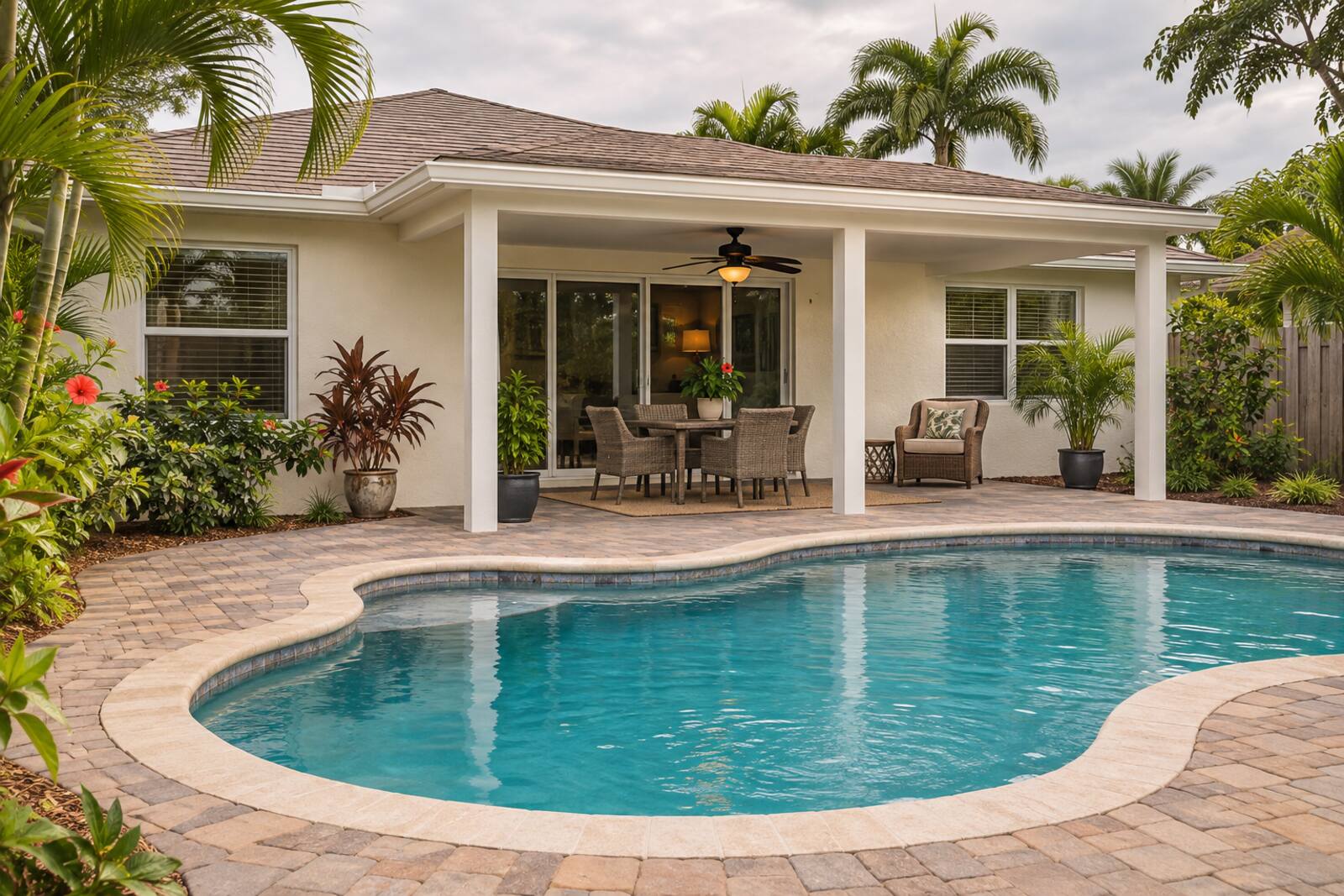
Building a pool in Cape Coral
Cape Coral is a planned community built on a network of over 400 miles of canals, with waterfront access that defines much of its residential appeal. For a buyer considering a custom inground pool, Cape Coral presents a unique mix of newer subdivisions, canal-front lots with direct water access, and a building environment shaped by the city's development services and flood protection rules. The key local factors are the city's permit process, the sandy and often wet coastal soil, proximity to canals and designated wetlands, and a climate that supports year-round swimming but demands attention to storm season scheduling.
Permits and bylaw rules
The City of Cape Coral's Development Services Department oversees all building permits through its Building Division and Permitting Services Division (Building Division). A residential swimming pool requires a building permit, and applications are submitted through the city's online portal or in person. The City's Notices to Industry set out its pool-specific rules: since March 1, 2026, the safety barrier needs its own permit, and each pool permit needs a final survey. Florida law requires a pool safety feature before final inspection. In Cape Coral, a fence or screen enclosure used as the pool barrier needs its own Safety Barrier Permit, reviewed and inspected separately from the pool. Barriers must be at least 4 feet high, with gates that are self-closing and self-latching. Ask your builder which trades need their own permit.
Since March 2026, Cape Coral adds a Structural Pool Final inspection after the pool and electrical finals. The safety barrier must already have passed its own inspection, and there must be no open trenches or fall hazards. The city's Flood Protection page notes that properties within designated flood zones must meet additional elevation and construction requirements; a buyer on any lot near the canal network should verify flood zone status before finalizing pool placement and design.
Lots, soil and climate
Cape Coral's development pattern means lots range from standard suburban parcels in newer subdivisions to larger canal-front properties with direct water access. Much of Cape Coral was built on fill dredged from the canals, over sandy, poorly drained soils with a high water table. Ask your builder to check your lot's soil and groundwater before quoting. Excavation tends to be straightforward in the dry season, but canal-front lots and properties near designated wetlands may encounter a high water table that requires continuous dewatering during shell construction. Buyers should confirm whether a lot falls within any flood zone mapped by FEMA or within any wetland buffer before finalizing design, as these designations affect setbacks, fence placement, and the required elevation of pool decks and equipment pads.
Cape Coral's climate is warm and humid year-round; January days average about 75°F and nights about 54°F, with colder nights during cold fronts. That supports a swim season that lasts most of the year for unheated pools, though many families prefer a heater or heat pump for consistent winter use. The wet season runs roughly May through October, with frequent afternoon thunderstorms and occasional tropical systems that can delay excavation, concrete pours, and inspection scheduling. Many local builders prefer to start shell work during the drier winter and early spring months, which shortens timelines and reduces weather-related delays.
What drives the price and what to ask
Key cost factors in Cape Coral include:
- Canal-front and waterfront lots: Direct canal access is a defining feature of Cape Coral, but waterfront properties may have stricter setback rules, additional wetland or flood zone requirements, and more complex access for excavation equipment. Confirm whether your lot requires any special approvals from the city or state for work near the canal.
- Soil and groundwater conditions: Sandy coastal soil makes excavation quick in dry weather, but lots near canals, wetlands, or low-lying areas often have a high seasonal water table. Continuous dewatering and engineered stone bedding may be needed; ask whether these are included in the base quote.
- Flood zone requirements: Properties in flood-prone zones need elevation certificates and may face additional construction rules. Verify flood zone status early, as it affects pool deck elevation, equipment pad placement, and fence design.
- Permit process: The safety barrier needs its own permit, separate from the pool. Ask your builder which trades need a separate permit and whether they file everything through the City.
- Storm season scheduling: The wet season from May through October brings frequent rain and the possibility of tropical systems. Scheduling excavation and concrete work during the drier winter and spring months reduces delay risk.
- Safety features: A fence or screen enclosure used as the pool barrier needs its own Safety Barrier Permit, and barriers must be at least 4 feet high with self-closing, self-latching gates. In canal-front neighborhoods with narrow lots or waterfront setbacks, fence placement affects landscaping and access plans.
Questions to ask each custom pool builder:
- Do you handle all City of Cape Coral pool, barrier, electrical, and plumbing permits through the city's online portal?
- Does this lot fall within any flood zone or wetland buffer that requires additional approvals or affects pool placement?
- How do you manage high seasonal groundwater or sandy soil conditions on canal-front lots? Is site dewatering included?
- What setbacks apply for the pool, enclosure fence, and equipment pad on this property — and will you verify them with Development Services before design?
- How will the site be secured during construction, and who schedules the final barrier and electrical inspections?
- What pool heater or heat pump options do you recommend for year-round use in this Gulf Coast climate?
- How does your warranty address soil movement or salt air exposure on Cape Coral lots?