Building a custom pool in Daytona Beach
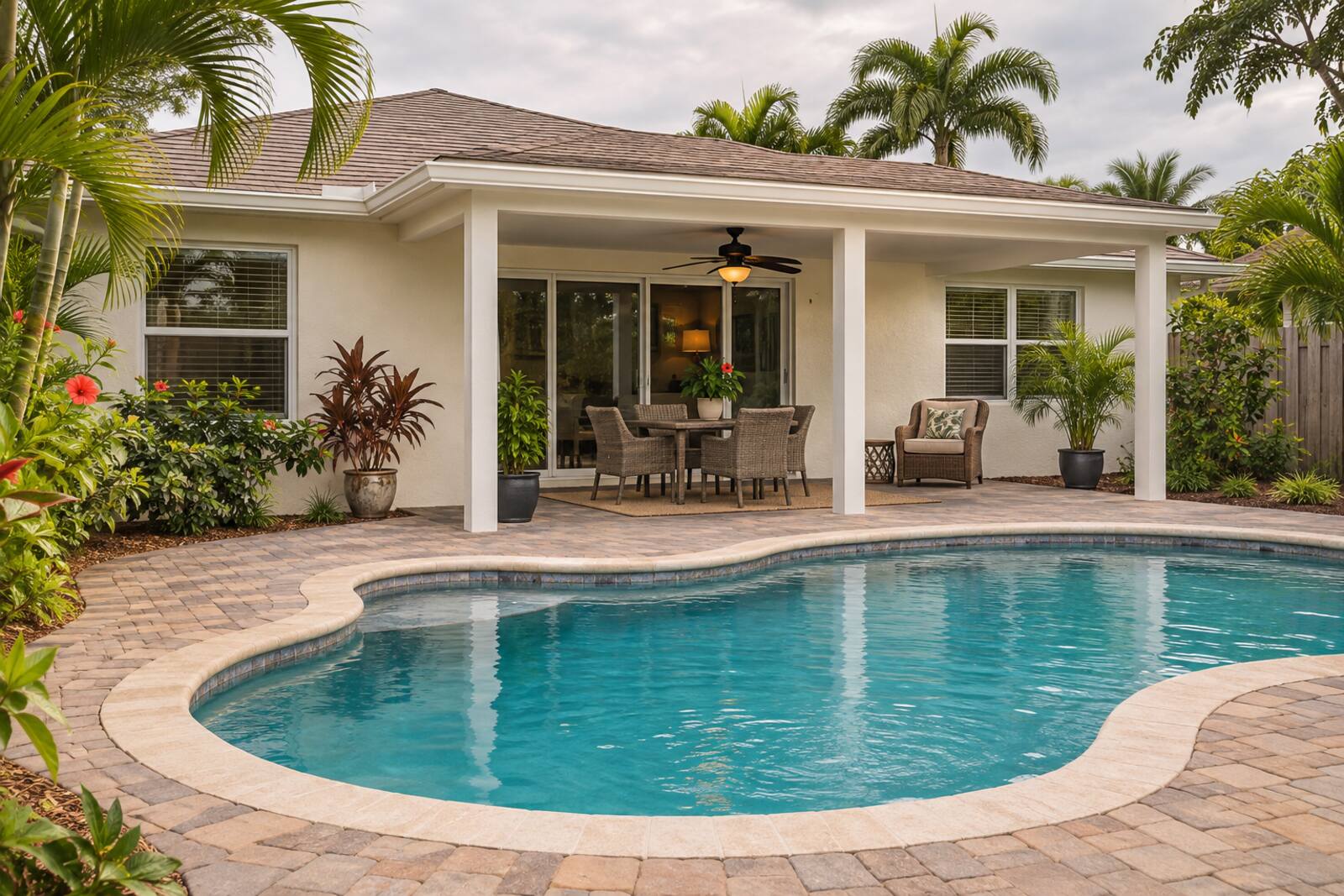
Located on Florida's Atlantic coast in Volusia County, Daytona Beach features a diverse residential landscape ranging from historic oceanfront and riverfront properties on the beachside peninsula to expansive master-planned golf communities like LPGA International and Pelican Bay on the mainland. Adding a custom inground swimming pool enhances coastal living, but local projects must balance Atlantic salt air exposure, high coastal groundwater tables, and hurricane-rated structural engineering. Whether planning a sleek geometric lap pool, a freeform family oasis, or a compact plunge pool, working with local building standards ensures a durable investment.
Permits and local codes
In Daytona Beach, swimming pool installation requires permits issued by the City of Daytona Beach Permits & Licensing Department. Applications and construction documents are managed through the city's digital permitting system, accessible via the City of Daytona Beach Permits & Licensing Department and their Residential Swimming Pool Submittal Checklist 2024.
Key code requirements include:
- Zoning Setbacks: Pools, surrounding decking, and screen enclosures are classified as accessory structures under the Daytona Beach Land Development Code. They are prohibited within the required front yard setback and must be located in rear or side yards. Pool and screen-enclosure setbacks depend on the zoning district (Article 4 of the Daytona Beach Land Development Code). For example, SFR-5 lots require accessory structures to sit 7.5 feet from side and rear lot lines, and older planned districts follow their own development agreements. Your permit survey must show the setback measurements.
- Easements: Pools cannot be constructed within recorded utility or stormwater drainage easements, which commonly run along rear lot lines in mainland subdivisions.
- Safety Barriers: Under Florida's Residential Swimming Pool Safety Act (Chapter 515, Florida Statutes), a new residential pool must have at least one approved safety feature to pass final inspection. Options include a barrier at least 4 feet high with outward-opening, self-closing, self-latching gates; an approved safety pool cover; exit alarms on all doors and windows that open directly to the pool; self-closing, self-latching devices on those doors; or a certified in-pool alarm.
- Wind Engineering: Screen enclosures and equipment anchors must be engineered to the Florida Building Code's design wind speed for the site (roughly 130 to 140 mph for homes in Volusia County), with signed and sealed plans.
- Notice of Commencement: Florida law requires a Notice of Commencement (NOC) to be recorded with the Volusia County Clerk of the Circuit Court and posted on the job site before the first inspection takes place.
Lots, soil and water table
Daytona Beach is divided between the beachside barrier island (flanked by the Atlantic Ocean and the Halifax River) and the mainland. Beachside and riverfront lots feature porous, sugary coastal sands and a tidal groundwater table that can sit within 2 to 3 feet of the surface. Excavating here requires continuous wellpoint dewatering, and concrete or fiberglass shells must incorporate hydrostatic relief valves to prevent high groundwater pressure from shifting the structure.
On the mainland, soils often consist of fine sand underlain by semi-impermeable hardpan or clay layers. Proper lot grading and retention swales are critical to prevent backyard stormwater pooling. In tight residential lots, contractors must verify that excavation machinery can access the rear yard without damaging shared boundary fencing or underground utilities.
Swim season and climate
Daytona Beach offers a long swim season extending from late March through October. During the cooler winter months (November through February), water temperatures drop significantly, making a heat pump or natural gas pool heater necessary for year-round enjoyment.
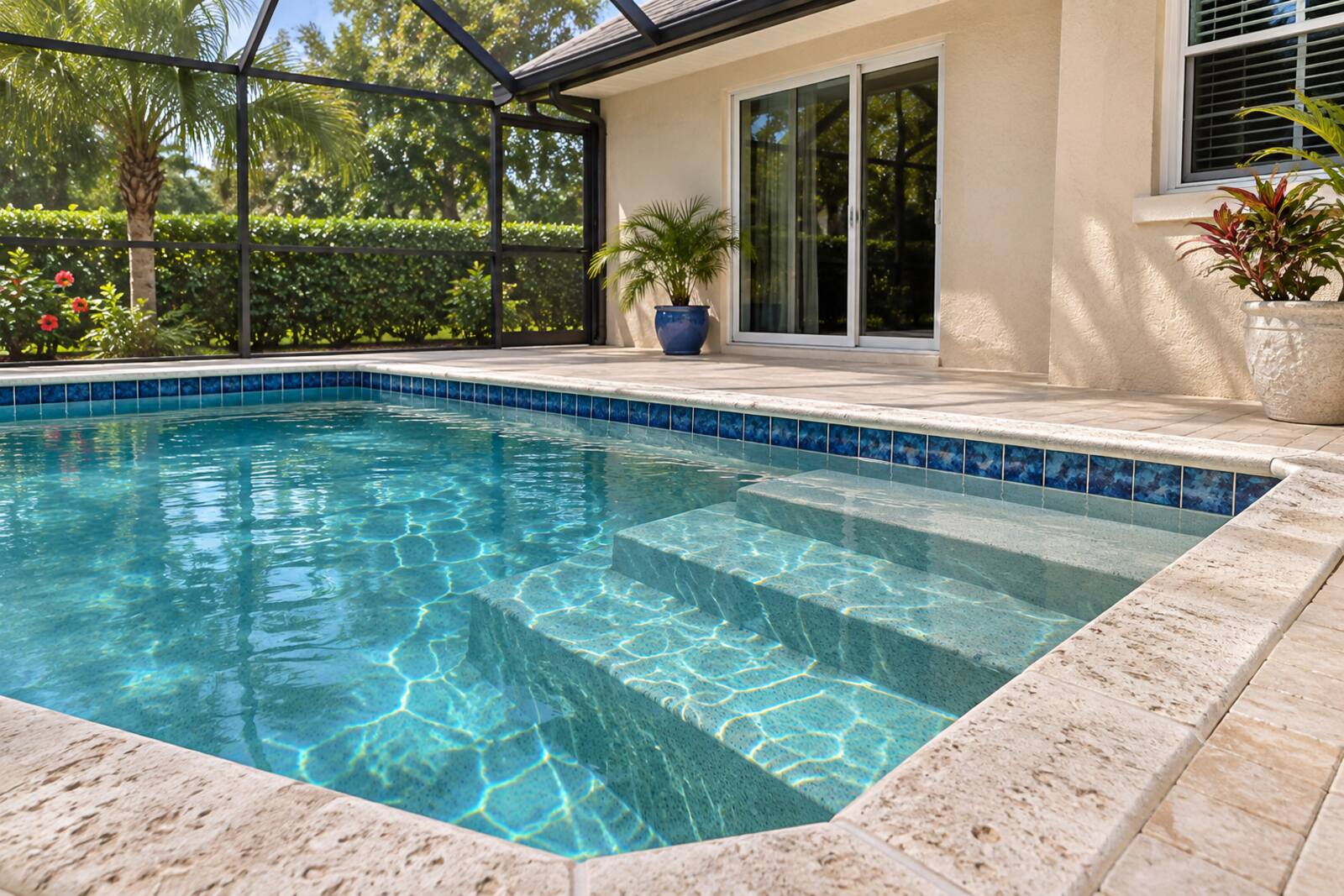
The best time to build is during the drier late fall, winter, and spring months. Central Florida's summer brings daily afternoon thunderstorms, high humidity, and Atlantic hurricane season, which can cause excavation delays and complicate plaster application. Screen enclosures (pool cages) are widely installed to keep out falling pine needles, oak leaves, and seasonal biting midges.
What drives pool cost and what to ask
Pool pricing in Daytona Beach reflects site conditions such as wellpoint dewatering along the coast, wind-load engineering for screen cages, marine-grade corrosion protection for salt air environments, and equipment upgrades like saltwater chlorination or energy-efficient variable-speed pumps.
Ask each custom pool builder:
- Will you handle permit applications and inspection milestones through the Daytona Beach Permits & Licensing Department?
- How does your site plan address Daytona Beach zoning setbacks and any neighborhood PMD covenants?
- What dewatering strategy will you use if excavation reaches high coastal or riverfront groundwater?
- Are the screen enclosure, anchors, and fasteners engineered for the site's design wind speed and salt air corrosion?
- Which Chapter 515 pool safety barrier option is included in your proposal?
- Do you file the Notice of Commencement with the Volusia County Clerk of the Circuit Court?
- How will excavation equipment access our back yard, and who repairs turf or fence lines after construction?
- What written warranties cover the structural pool shell, interior finish, and mechanical equipment?