Building a pool in Fort Lauderdale
Fort Lauderdale — about 190,000 people criss-crossed by canals, the Intracoastal Waterway, and a barrier-island beach strip — is a city where most in-city lots are small, flat, and wet, with the water table rarely far below the shovel. Between the canal-laced neighborhoods around the Intracoastal and the condo towers on the beach, yard space is the scarce commodity. The city's own Development Services Department runs building permits for pool projects, with applications submitted digitally.
Permits and local rules
Fort Lauderdale's Permitting Services page explains the city's process — applications go in digitally through the LauderBuild citizen portal — and the city publishes its own Residential Swimming Pool, Spa & Hot Tub Safety requirements form (rev. 2024). The essentials:
- Setbacks are generous but real. Per the city's zoning FAQ, a pool may even go in a front yard if it sits at least 5 feet from all property lines — so the survey drives placement on tight lots.
- The barrier decision is on the form. The owner and prime contractor sign the safety form choosing at least one option: an ASTM F1346-91 safety cover, a one-piece child barrier, a combination of walls and fences, exit alarms on doors and windows, self-latching devices on the doors giving direct access to the pool, mounted at least 54 inches above the threshold, or an ASTM F2208 pool alarm.
- No water before final inspections. The pool cannot legally be filled until the final electrical and zoning (pool barrier) inspections pass.
- Sub-permits follow the pool permit — electrical, plumbing, and any enclosure each get their own trade permits, which licensed contractors pull through the city's portal.
Lots, soil and climate
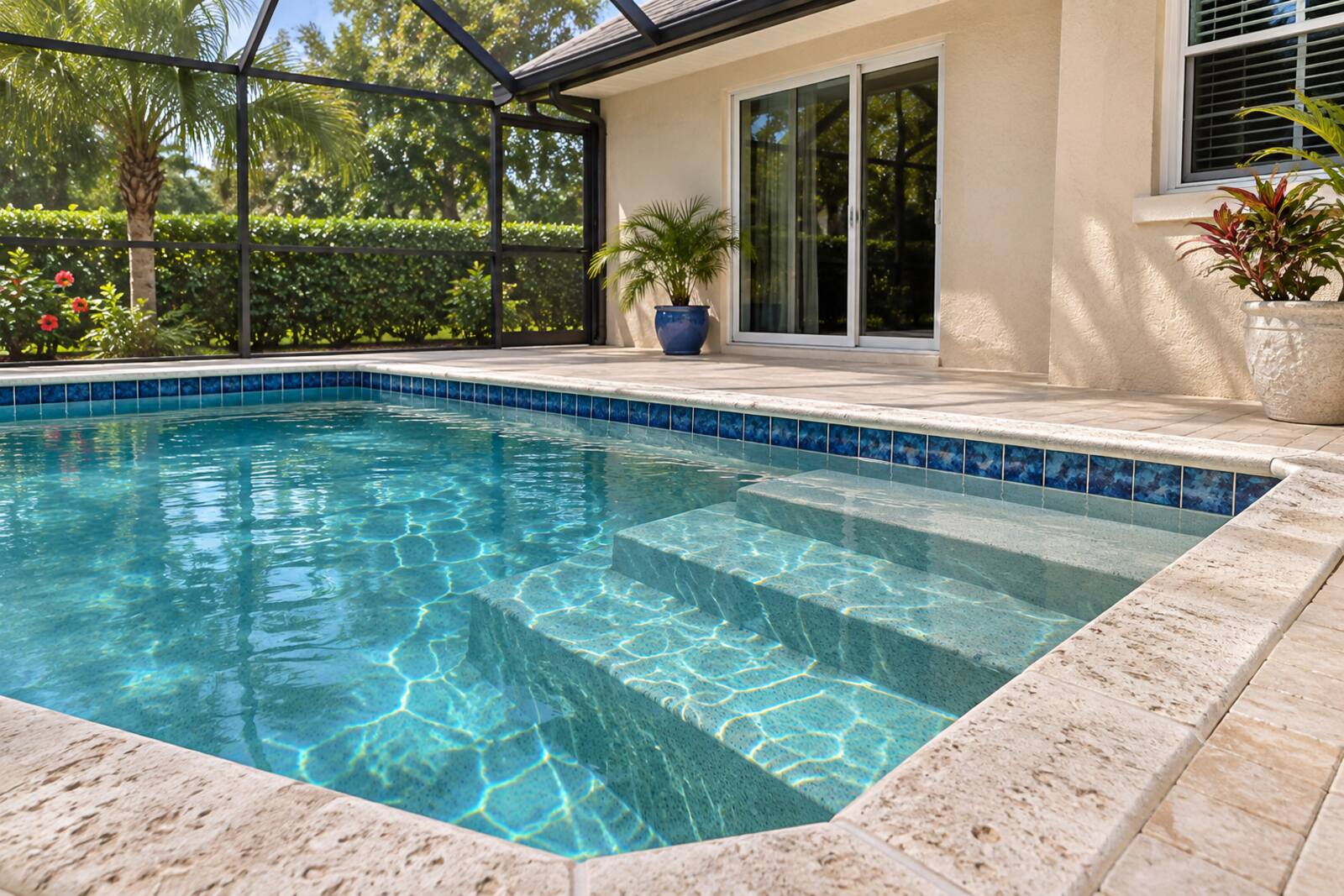
The city sits barely above sea level on the Atlantic Coastal Ridge, with a shallow water table that makes dewatering a routine line item on most digs, and older neighborhoods near the river and canals sit lower still. Fort Lauderdale is inside Florida's High-Velocity Hurricane Zone — Broward and Miami-Dade build under the 2023 Florida Building Code, 8th Edition (floridabuilding.org) — so screen enclosures and any glazing need HVHZ-rated, impact-tested products. Salt air within a few blocks of the beach and Intracoastal eats standard pumps and heaters early.
Swimming runs year-round, which is why the calendar matters more than the weather: hurricane season (June through November) can hold up enclosure installations and post-storm inspections for weeks, so the strongest scheduling windows are winter and spring.
What drives the price and what to ask
- Dewatering: pumps and disposal plans through the dig and pour are close to standard on flat, wet lots.
- HVHZ engineering: wind-rated enclosures and impact products carry a premium over standard Florida specs.
- Tight access: small city lots and canal-side yards can rule out standard-size fibreglass shells and crane setups.
- Salt-air equipment: coastal lots need corrosion-resistant specs and shorter replacement horizons for pumps and heaters.
- Canal and seawall lots: waterfront placement brings setback and seawall-condition questions before design starts.
- Season: a contract signed by late winter usually lands a summer-ready pool with the enclosure up before the peak of storm season.
Questions to ask each custom pool builder:
- Will you submit through LauderBuild and pull the electrical, plumbing, and enclosure sub-permits yourself?
- Is dewatering included in the quoted price, and what is your plan for the water you pump out?
- Which barrier option from the city's safety form do you recommend for my yard, and who installs it?
- Does your enclosure quote use HVHZ-approved, impact-rated products certified for Broward?
- What equipment do you spec against salt air, and what does the warranty cover on corrosion?
- Can your build fit my access — and if a crane is needed, who pays for it?
- How do you schedule around hurricane season, and what happens to lead times after a named storm?