Building a custom pool in Kissimmee
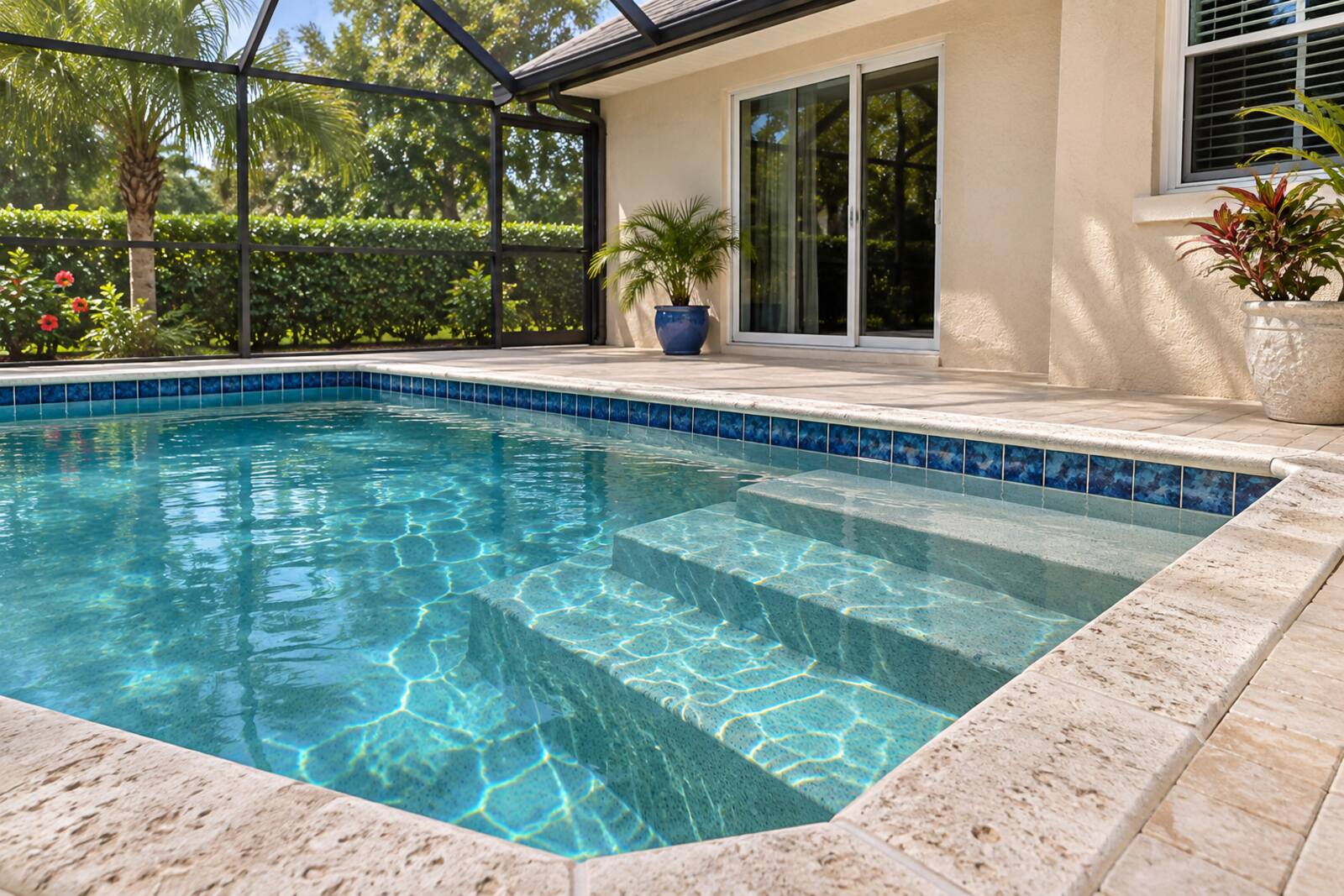
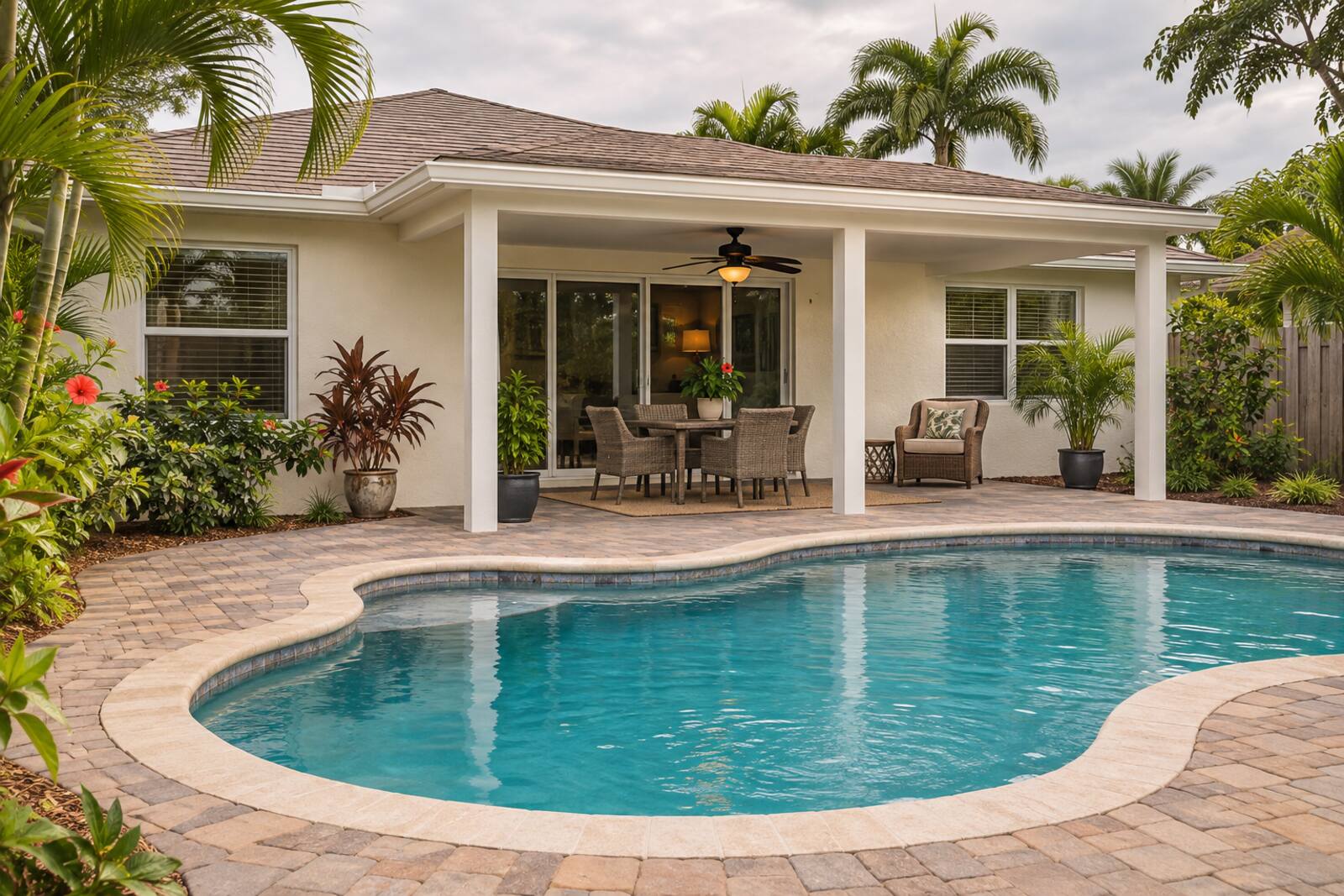
Located in Central Florida's Osceola County along the northern shore of Lake Tohopekaliga, Kissimmee features a blend of historic lakeside neighborhoods, fast-growing suburban communities like Tapestry and Bellalago, and resort-style developments designed for short-term vacation rentals. A private swimming pool is a prized addition for entertaining and cooling off, but successful construction requires addressing Central Florida's lake-basin soil conditions, high seasonal water tables, and strict municipal building codes. Whether designing a compact splash pool, a luxury resort-style pool with a spillover spa, or a screened lanai pool with a sun shelf, understanding local requirements keeps the project on track.
Permits and local codes
Swimming pool construction in Kissimmee requires permits administered by Permit & Inspection Services in the City of Kissimmee Development Services Department. Details on permit applications, checklists, and review procedures can be found through the City of Kissimmee Permit & Inspection Services (email: `permitting@kissimmee.gov`, phone: 407-518-2379).
Key local rules include:
- Zoning Setbacks: Regulated under Chapter 14 of the City of Kissimmee Land Development Code, swimming pools, spas, and screen enclosures are classified as accessory structures and are prohibited in required front yards. In standard single-family residential districts, pools and surrounding decks must be located in rear or interior side yards, typically maintaining at least a 5 to 7.5-foot setback from property lines. In Planned Developments (PDs) or master-planned communities, specific development agreements or HOA guidelines may prescribe custom setbacks.
- Easements and Lake Buffers: No pool shell, patio slab, or screen enclosure may encroach into dedicated drainage, utility, or retention easements. Properties bordering Lake Tohopekaliga or the Shingle Creek watershed must also respect established environmental conservation setbacks.
- Barrier Safety: Under Florida's Residential Swimming Pool Safety Act (Chapter 515, Florida Statutes), a new residential pool must have at least one approved safety feature to pass final inspection. Options include a barrier at least 4 feet high with outward-opening, self-closing, self-latching gates; an approved safety pool cover; exit alarms on all doors and windows that open directly to the pool; self-closing, self-latching devices on those doors; or a certified in-pool alarm.
- Wind Engineering: Screen enclosures must be engineered and sealed by a Florida-licensed engineer to withstand Central Florida design wind speeds (typically 130 to 140 mph under the Florida Building Code).
- Notice of Commencement: A Notice of Commencement (NOC) must be recorded with the Osceola County Comptroller / Clerk of the Circuit Court and posted conspicuously at the job site before inspections can begin.
Lots, soil and water table
Kissimmee's location in the upper Kissimmee River basin creates unique soil and water conditions. Soils are predominantly fine sand underlain by dense clay lenses or organic muck in low-lying lake plains. Due to proximity to Lake Toho and neighborhood stormwater retention ponds, the seasonal groundwater table is often shallow—frequently sitting within 2 to 4 feet of the surface during the summer rainy season.
Excavating an inground pool often requires wellpoint dewatering to maintain trench stability and prevent cave-ins. Inground concrete gunite or shotcrete shells must include hydrostatic relief valves in the main drain to prevent buoyant groundwater pressure from cracking or shifting an empty pool shell. In newer high-density subdivisions, narrow side-lot clearances require contractors to use mini-excavators or bobcats to transport soil to haul-off trucks.
Swim season and climate
Kissimmee offers an extended swim season from March through November, and an energy-efficient electric heat pump or natural gas heater enables comfortable year-round swimming.
The dry season from November through May provides ideal building conditions, featuring moderate temperatures and minimal rainfall that allow smooth excavation, gunite shooting, and plaster application. The summer months (June through October) bring heavy tropical downpours and afternoon lightning storms that can temporarily flood excavations. Full aluminum screen enclosures (pool cages) are practically universal in Kissimmee to protect against Central Florida's seasonal lake midges ("blind mosquitoes"), lovebugs, and mosquitoes.
What drives pool cost and what to ask
Custom pool pricing in Kissimmee is driven by wellpoint dewatering in high water tables, wind-rated aluminum screen enclosures, tight lot access in master-planned communities, and custom upgrades such as travertine paver decking, integrated spas, sun shelves, and automated LED lighting.
Ask each custom pool builder:
- Will your company pull all required permits and schedule inspections through Kissimmee Permit & Inspection Services?
- How does your site plan account for Kissimmee's zoning setbacks and neighborhood HOA covenants?
- What dewatering procedures are included in your quote if high groundwater is encountered during excavation?
- Are hydrostatic relief valves specified in the pool floor to safeguard against buoyant groundwater pressure?
- Are the screen enclosure and anchors engineered to Central Florida's 130+ mph wind-load standards?
- Which Florida Chapter 515 safety barrier option is included in the base proposal?
- Do you record and post the Notice of Commencement with the Osceola County Clerk of Court?
- What written warranties cover the structural pool shell, plumbing, interior plaster finish, and equipment?