Building a custom pool in Melbourne
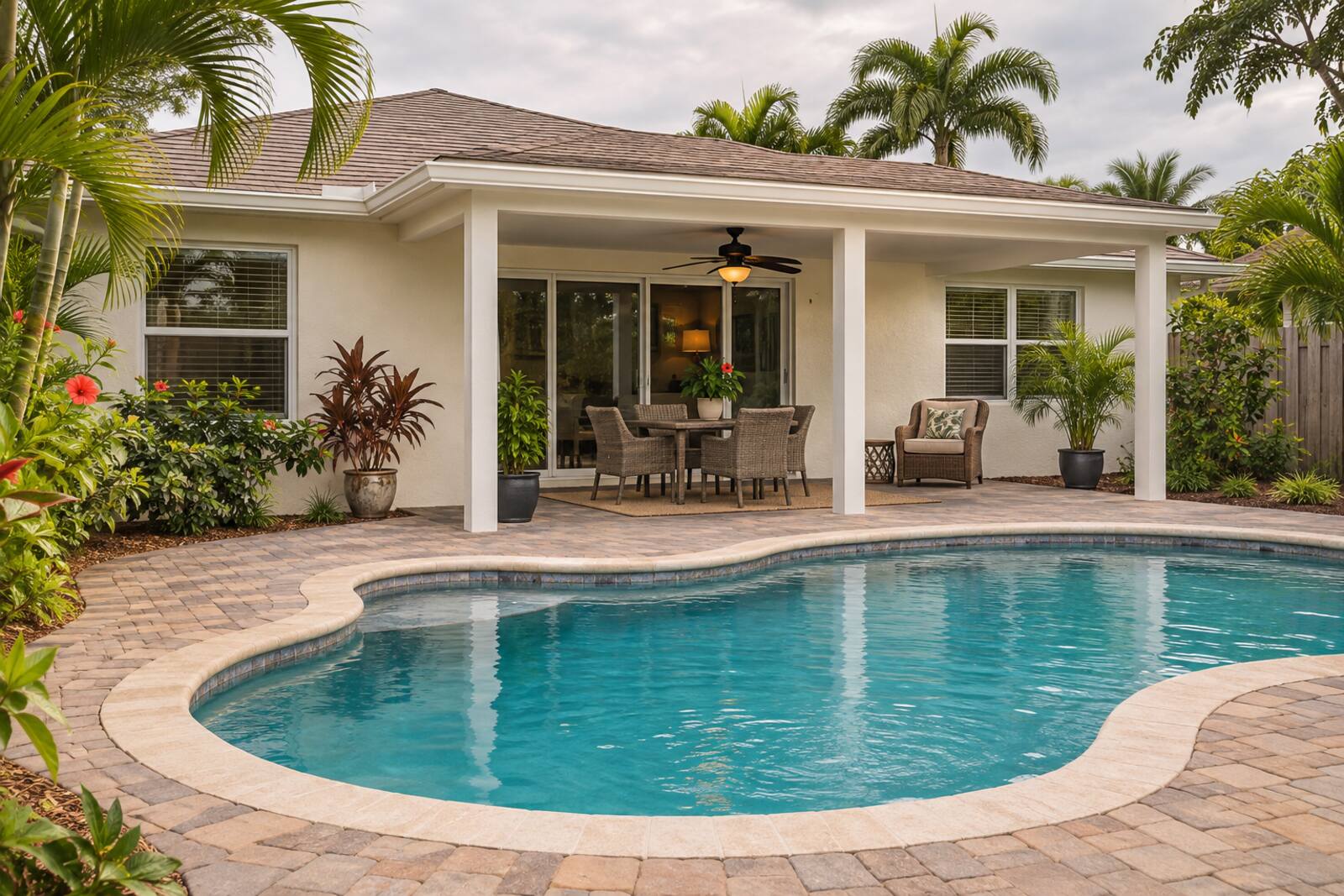
Situated on Florida's Space Coast in Brevard County, Melbourne combines established riverfront neighborhoods along the Indian River Lagoon and Crane Creek with expansive suburban communities near Eau Gallie, Wickham Park, and the Lake Washington corridor. The coastal climate makes an inground swimming pool one of the most popular home upgrades in the region. However, building a custom pool here requires careful planning around Brevard County's coastal wind-load requirements, sandy soils with seasonal high water tables, and strict municipal setback rules. Whether constructing a compact lap pool, a family-friendly play pool with a sun shelf, or an elaborate outdoor living space with an integrated spa, knowing the local process ensures lasting success.
Permits and local codes
All residential swimming pool construction in Melbourne requires building, electrical, and plumbing permits administered by the City of Melbourne Building Section (part of the Code Compliance Division). Permit submittals and engineering reviews are processed through the city's online portal, accessible via the City of Melbourne Building Section.
Key regulatory standards include:
- Zoning Setbacks: Under Appendix B, Article 7 of the Melbourne City Code, swimming pools and associated accessory structures are prohibited in required front yards and must be located in rear or side yards. Pools must maintain a minimum 5-foot separation from the principal dwelling structure. Side and rear setbacks depend on the zoning district; see Tables 2a and 2b of the Melbourne Zoning Code (Appendix B).
- Easements: Rear and side utility or drainage easements are common across Brevard County subdivisions. No permanent pool shell, screen enclosure, or concrete decking may encroach upon recorded easements.
- Barrier Safety: Under Florida's Residential Swimming Pool Safety Act (Chapter 515, Florida Statutes), a new residential pool must have at least one approved safety feature to pass final inspection. Options include a barrier at least 4 feet high with outward-opening, self-closing, self-latching gates; an approved safety pool cover; exit alarms on all doors and windows that open directly to the pool; self-closing, self-latching devices on those doors; or a certified in-pool alarm.
- Wind Engineering: Brevard County's coastal exposure requires screen enclosures and equipment anchors to withstand ultimate design wind speeds of 140+ mph. Enclosure plans must be signed and sealed by a Florida-licensed professional engineer. Near the coast, ask for corrosion-resistant fasteners to prevent rust from Atlantic salt air.
- Notice of Commencement: A Notice of Commencement (NOC) must be filed with the Brevard County Clerk of the Court and displayed on site before any inspections are conducted.
Lots, soil and water table
Melbourne's geology consists primarily of fine, sugary sands (such as Myakka fine sand) overlying semi-cemented iron hardpan or coquina rock layers. Because sand shifts and collapses easily, contractors must use careful trenching practices during excavation.
Proximity to the Indian River Lagoon, the St. Johns River basin, and neighborhood retention lakes means the water table is frequently high—often only 3 to 4 feet below grade during the rainy season. Excavating deep ends usually requires wellpoint dewatering systems. Inground concrete gunite or shotcrete shells must include hydrostatic relief valves to prevent buoyant groundwater pressure from floating or cracking the empty shell before or during maintenance.
Swim season and climate
Melbourne offers an eight-to-ten-month natural swim season running from March through November, which can be extended to year-round swimming by adding an electric heat pump or natural gas pool heater.
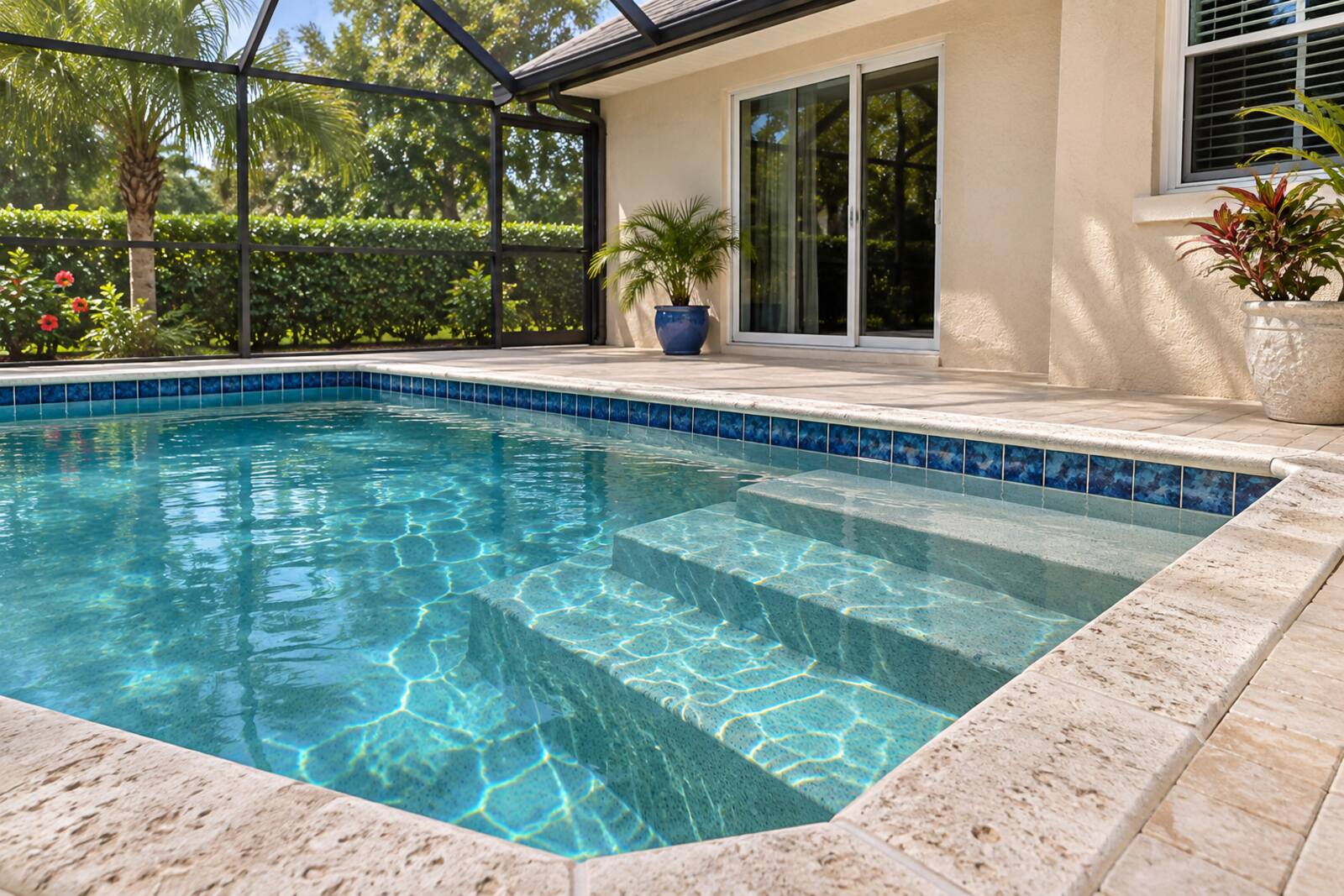
The most reliable building window occurs during the dry season from November through May, when low humidity and minimal rainfall facilitate excavation and shotcrete curing. The summer wet season (June through October) brings daily afternoon thunderstorms and tropical storm activity that can delay outdoor plaster and tile work. Aluminum screen enclosures (pool cages) are standard throughout Melbourne to protect the pool from heavy seasonal mosquito activity and falling pine needles.
What drives pool cost and what to ask
In Melbourne, pool costs are shaped by site conditions such as wellpoint dewatering in high water tables, coquina rock excavation, wind-rated aluminum screen enclosures with marine-grade fasteners, and custom hardscape additions like travertine decking, waterfalls, or automated saltwater sanitization systems.
Ask each custom pool builder:
- Will your company pull the building permit and coordinate all inspections through the Melbourne Building Section?
- How does your site plan ensure compliance with Melbourne's 5-foot separation from the house and side/rear setbacks?
- Does your estimate include wellpoint dewatering if high groundwater is encountered during excavation?
- What happens if excavation hits hardpan or coquina rock, and how are breaker fees billed?
- Are your screen enclosures and anchors engineered for Brevard County's 140+ mph coastal wind loads and salt air?
- Which Florida Chapter 515 safety barrier option is included in the base proposal?
- Do you record and post the Notice of Commencement with the Brevard County Clerk of the Court?
- What structural and equipment warranties are provided in writing on the shell, finish, and plumbing?