Building a pool in Orlando
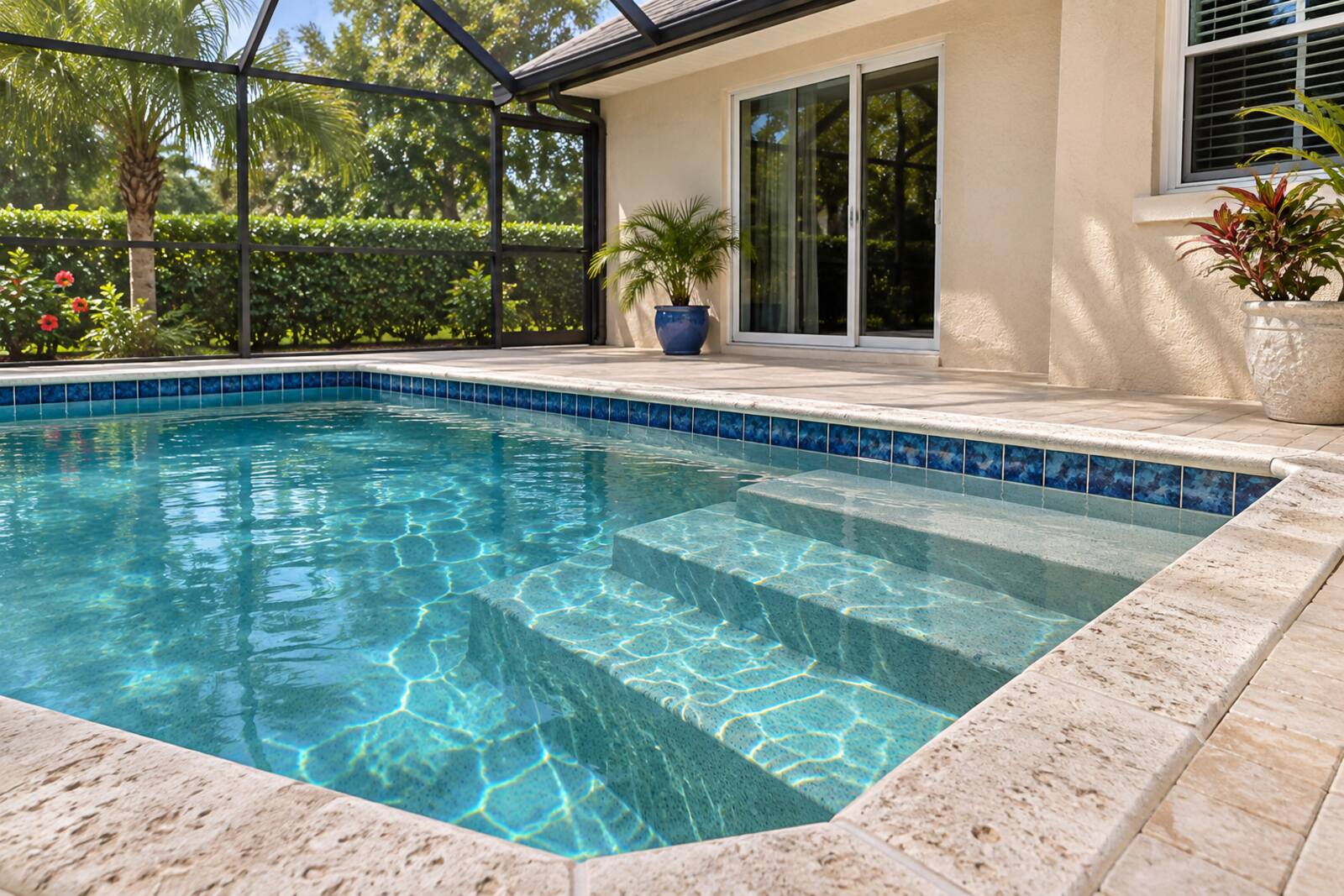
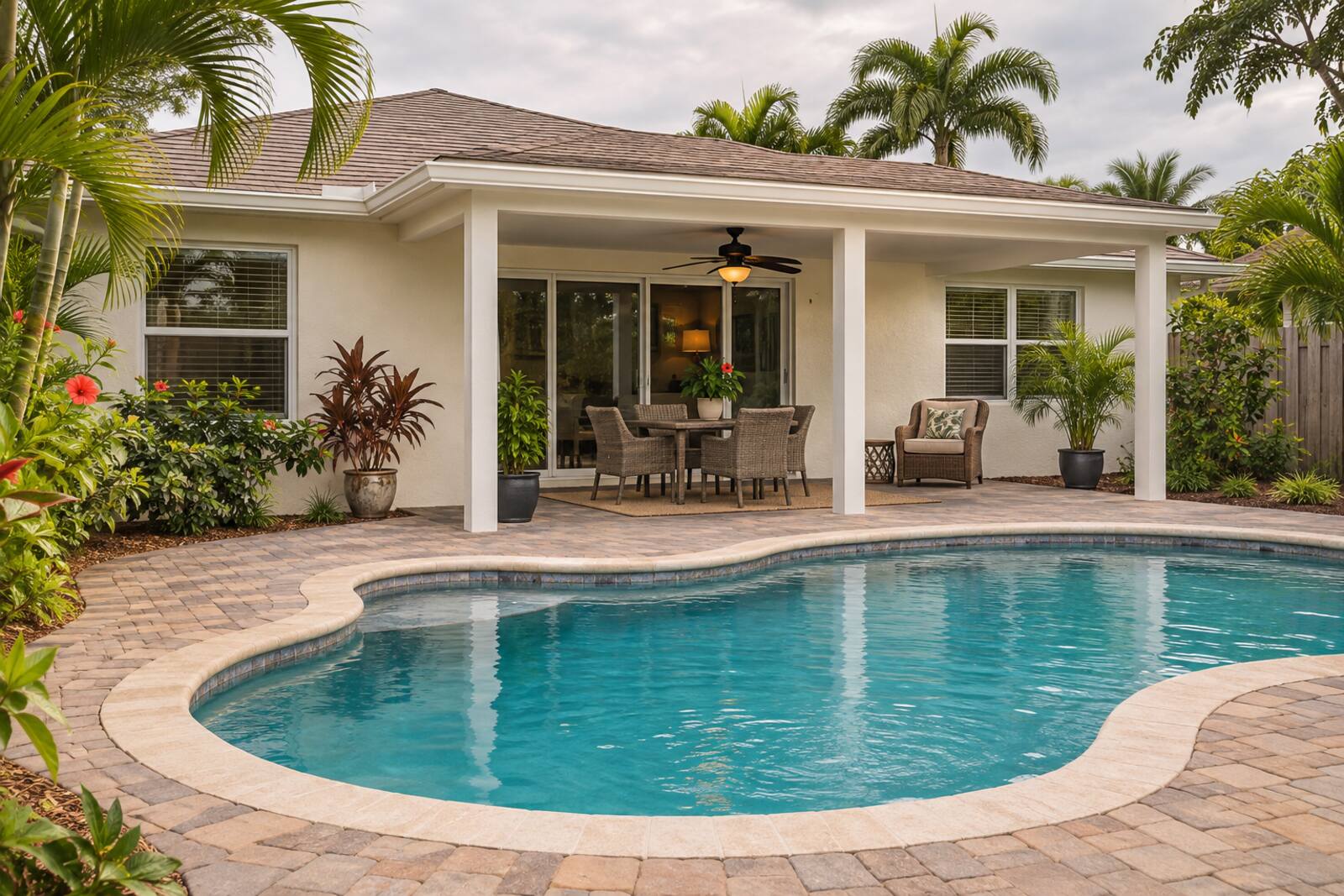
Orlando — about 340,000 people in the city itself — is a city of lakes and deed-restricted subdivisions, inland enough to escape the coastal hurricane codes but laced with water bodies that set their own setbacks. The City of Orlando's Building Division permits pools inside city limits; unincorporated addresses fall to Orange County's Building Division, and the two are separate reviews. Most of the city sits on the sandy spine of Central Florida, which makes excavation more predictable than on the coast, and the shade-tree neighborhoods mean the odds of a screen enclosure are close to certain.
Permits and local rules
The city publishes its requirements in its residential swimming pool and spa checklist, which is unusually specific about dimensions. The essentials:
- A minimum of three permits: building, electrical, and an engineering permit generated by city staff during review (it carries its own fee), plus plumbing/gas if you add a gas heater or automatic fill.
- Setbacks that shape the layout. Pool to side and rear property lines: 5 feet; street side of a corner lot: 15 feet; front: 10 feet behind the house's front face; 10 feet horizontal from overhead utilities; and 15 feet from the normal high-water line of a lake.
- Deck and enclosure rules. At-grade decking can sit 2 feet off side and rear lines, wood decks cannot cover more than half the backyard, nothing pool-related may sit in a utility or drainage easement, and the whole design counts toward the lot's impervious-surface limit.
- Screen enclosures have their own table. Soft-top cages follow the pool setbacks and must stay 15 feet from the lake line if 12 feet tall or less — but 50 feet if taller. A solid-roof enclosure is treated like the house itself.
- Zoning first. Pools are allowed in every zoning district, but planned-development districts can carry unique standards and historic-overlay neighborhoods need a separate review; the city's checklist points to orlando.gov/zoning to check your district.
- HOA review before the city. The checklist itself tells you to work with a licensed contractor on a site plan that meets the city's standards plus your zoning district and, if applicable, your HOA.
- A published inspection sequence, from a pre-walk before any work: steel bonding with #8 bare copper, a 35-psi pressure test on pool piping, termite treatment where deck meets the house, a safety inspection before the pool may be filled, and a final gate check — self-closing, self-latching, with the latch at least 4 feet off the ground and reachable only from inside the cage.
Lots, soil and climate
Orlando sits on the sandy Central Florida ridge, higher and drier than the coastal cities: excavation is usually clean digging, drainage swales are part of every approved plan, and dewatering is the exception rather than the rule. Lakes and karst ground still dot the region, so lots that pond after storms deserve a drainage question before a contract. The swim season runs roughly April through October, and the inland summer pattern — hot afternoons, regular storms — is exactly why the screen enclosure and lightning-aware equipment placement are standard practice here.
What drives the price and what to ask
- The lake line: a 15-foot lake setback (50 feet for tall enclosures) can shrink buildable area more than the house does.
- Three permit fees plus plumbing: the staff-generated engineering permit is billed even though you never apply for it.
- HOA architecture review: deed-restricted subdivisions can add design committees between contract and permit.
- Enclosure height: staying at or under 12 feet keeps the smaller lake setback and simpler review.
Questions to ask each custom pool builder:
- Do you pull the building, electrical, and any plumbing permits, and how do you handle the city's engineering permit fee?
- Does my lot touch a lake, an easement, or a corner — and how does that change the layout and the enclosure height?
- Will you prepare the site plan and drainage documentation for my zoning district, and who deals with my HOA?
- What soil or drainage surprises on this street have you hit, and how were they priced?
- Is the gate hardware on your enclosures built to pass the final latch-height inspection the first time?
- Do you offer 3D design so I can see the setbacks and cage before signing?
- What does the written warranty cover on shell, finish, equipment, and the enclosure — and is financing available?